

Address
18, Bahir Sarbamangala Road, Punjabi Para, Subhas Pally, East Burdwan, West Bengal, India - 713101
Get In Touch
9332416765
Mail Us
info@pinkshadowmedia.com
Recent Blogs
October 28, 2026
October 24, 2026
 Change Language

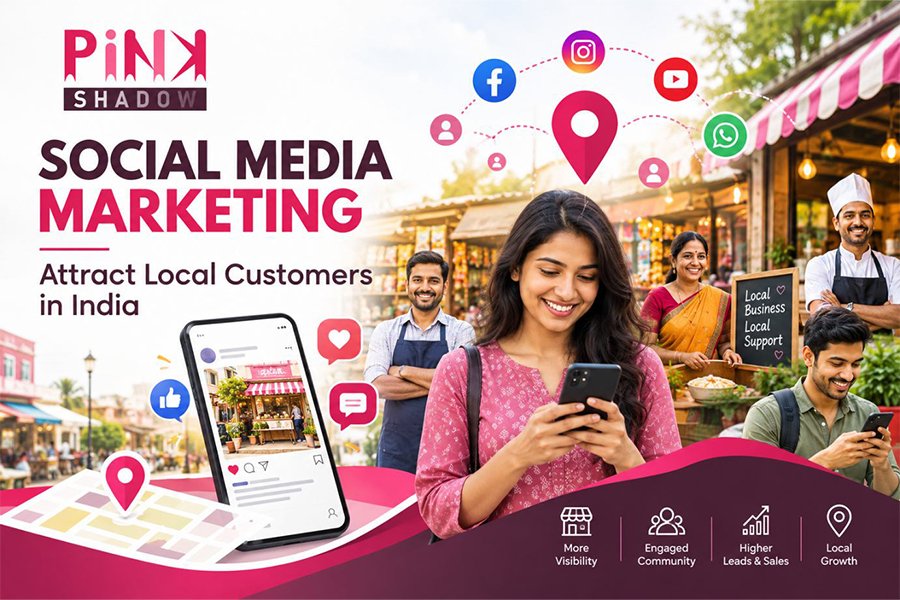
How Social Media Marketing Helps Businesses Attract Local Customers in India

In today’s digital world, businesses need more than traditional advertising to reach customers in their local areas. People increasingly use social media platforms such as Facebook, Instagram, YouTube, and WhatsApp to discover nearby businesses, explore products, read customer reviews, and make purchasing decisions. This creates new opportunities for small businesses, retailers, service providers, and growing brands across India.
Social Media Marketing helps businesses connect with local audiences, build brand awareness, promote products and services, and generate potential customers. Whether a company operates in a large city or a small town, a well-planned social media strategy can improve its online visibility and help it develop stronger relationships with customers.
For businesses looking to grow locally, understanding how social media works and how to use it effectively is an important step towards long-term digital growth.
What Is Social Media Marketing?
Social media marketing involves using social media platforms to promote a business, communicate with customers, share useful content, and achieve marketing goals. It includes creating posts, publishing short videos, running paid advertisements, responding to messages, and analysing audience engagement.
For local businesses, the primary goal is to reach people who are most likely to visit a store, enquire about a service, or purchase a product within a specific geographic area.
For example, a restaurant in Kolkata can share food videos and promote special offers to nearby customers. A clothing store in Bardhaman can showcase new arrivals, while an agricultural business can use Facebook and WhatsApp to communicate with farmers and local distributors.
An effective social media strategy combines relevant content, consistent communication, audience targeting, and performance tracking.
1. Helps Businesses Reach Customers in Their Local Area
One of the biggest advantages of social media is the ability to connect with audiences based on location, interests, and behaviour. Businesses can focus their marketing activities on specific cities, towns, districts, or neighbourhoods instead of promoting their services to an irrelevant audience.
Platforms such as Facebook and Instagram offer location-based advertising options that help businesses reach people in selected areas.
For example, a salon in Siliguri can promote its services to people living nearby. Similarly, a digital marketing company can target local entrepreneurs who need website development, SEO, or online advertising services.
Businesses can improve local reach by:
- Mentioning relevant cities and service areas in their content.
- Using location tags where appropriate.
- Sharing local events, offers, and customer stories.
- Running geographically targeted social media advertising campaigns.
- Publishing content that addresses local customer needs.
A focused approach helps businesses spend their marketing budget more efficiently and attract audiences with a genuine interest in their products or services.
2. Builds Brand Awareness and Customer Trust
Customers are more likely to consider businesses they recognise and trust. Social media provides an opportunity to introduce a brand to potential customers and maintain regular communication with existing ones.
Businesses can share customer testimonials, behind-the-scenes videos, product demonstrations, team introductions, and useful information to demonstrate their experience and credibility.
For instance, a local bakery can publish videos showing how its products are prepared. A coaching institute can share classroom activities, course information, and student feedback. These posts give potential customers a better understanding of the business before they make a decision.
Consistent branding across social media profiles also helps customers recognise a business more easily.
Businesses should maintain accurate contact details, use clear profile descriptions, respond politely to enquiries, and publish genuine information. These small steps can help build customer confidence over time.
3. Generates Local Leads and Sales Opportunities
Social media is not only useful for brand awareness; it can also support lead generation and sales. Businesses can encourage interested customers to contact them through direct messages, WhatsApp, enquiry forms, phone calls, or website links.
For example, a furniture shop can share product photographs and invite customers to request prices. A real estate company can publish property videos and collect enquiries from interested buyers. A local service provider can use targeted advertisements to generate appointment requests.
Useful lead-generation methods include:
- Click-to-WhatsApp advertisements.
- Product and service demonstration videos.
- Limited-time offers with clear conditions.
- Lead forms for collecting relevant customer details.
- Customer reviews and frequently asked questions.
- Posts that explain how customers can enquire or purchase.
Businesses should track meaningful results, such as qualified enquiries, appointments, store visits where measurable, and sales, rather than judging success only by likes and followers.
4. Uses Short Videos to Attract More Attention
Short videos have become an important content format for businesses that want to explain products and services quickly. Instagram Reels, YouTube Shorts, and other short-form video formats allow brands to communicate visually and make their content easier to understand.
Short videos for social media can show how a product works, introduce a service, answer common questions, or highlight customer experiences.
A local restaurant can publish a quick kitchen tour, while a clothing retailer can create styling videos featuring new collections. An agricultural business can demonstrate farming products, explain their correct use, or share practical information for farmers.
To make short videos more effective:
- Capture attention within the opening few seconds.
- Focus on one clear message per video.
- Use readable captions and relevant visuals.
- Include local languages when they suit the audience.
- Keep the information authentic and useful.
Add a relevant next step, such as visiting the shop or sending an enquiry.
Businesses should experiment with different video styles and review audience retention, shares, saves, and enquiries to understand which content performs best.
5. Supports Local Businesses With Affordable Marketing
Many small businesses cannot afford large advertising campaigns, television commercials, or extensive outdoor promotions. Social media offers a more flexible way to build visibility and communicate with customers.
Businesses can start with organic posts and gradually invest in paid advertising when they identify content and audiences that generate results.
However, social media is not completely free. Content creation, photography, video editing, advertising, and professional account management may involve costs. The benefit is that businesses can adjust their activities according to their budgets and marketing objectives.
Affordable social media management can help small businesses maintain a consistent online presence without needing to manage every marketing activity themselves.
A practical approach includes planning a monthly content calendar, creating reusable content formats, promoting important offers, and reviewing campaign performance regularly.
The goal is to generate valuable business outcomes while controlling unnecessary spending.
6. Improves Customer Engagement and Relationships
Traditional advertising often communicates a message in one direction. Social media allows businesses to interact directly with customers through comments, messages, polls, live sessions, and feedback.
This interaction helps businesses understand customer expectations and respond to questions before they become obstacles to a purchase.
For example, a local electronics retailer can answer questions about product availability. A fitness centre can explain membership options, while a restaurant can share updated menus and respond to customer feedback.
Businesses should make customer engagement a regular activity by:
- Responding to messages within a reasonable time.
- Answering frequently asked questions clearly.
- Acknowledging genuine feedback.
- Sharing useful updates and announcements.
- Avoiding misleading claims and exaggerated promises.
Active communication helps customers feel heard and gives businesses opportunities to improve their services.
7. Strengthens Local Search Visibility Through Social Media Optimization
Social media profiles often appear in search results when people look for businesses, products, or services. A complete and consistent profile can help potential customers understand what a company offers and how to contact it.
This is where social media optimization services in India can support businesses by improving profile information, content presentation, discoverability, and audience engagement.
Social Media Optimization (SMO) focuses on making social profiles and content more effective. It may include profile optimisation, keyword-relevant descriptions, consistent branding, content planning, hashtag research, and performance analysis.
A professional social media optimization company in India may help businesses organise these activities and maintain consistency across platforms.
Effective SMO practices include:
- Using a clear business name and relevant profile description.
- Adding accurate contact information and website links.
- Publishing useful content related to products and services.
- Using relevant keywords naturally in profile descriptions and captions.
- Keeping branding consistent across social media accounts.
- Encouraging genuine customer reviews and interactions.
Social media optimisation can complement SEO and local search marketing, but it does not guarantee higher Google rankings. Businesses should also maintain their website, Google Business Profile, and other relevant local listings.
8. Helps Rural and Agricultural Businesses Reach Their Audience
India's local markets extend beyond major cities. Rural communities, farming businesses, agricultural suppliers, and village-level retailers can also benefit from digital communication.
Rural social media marketing helps businesses share relevant information with audiences in smaller towns and rural areas. Facebook, YouTube, and WhatsApp can be useful channels when they match the audience's access, habits, and preferences.
For example, an agricultural equipment supplier can publish product demonstrations, while a seed company can share seasonal farming information. A rural retailer can communicate product availability, special offers, and store updates.
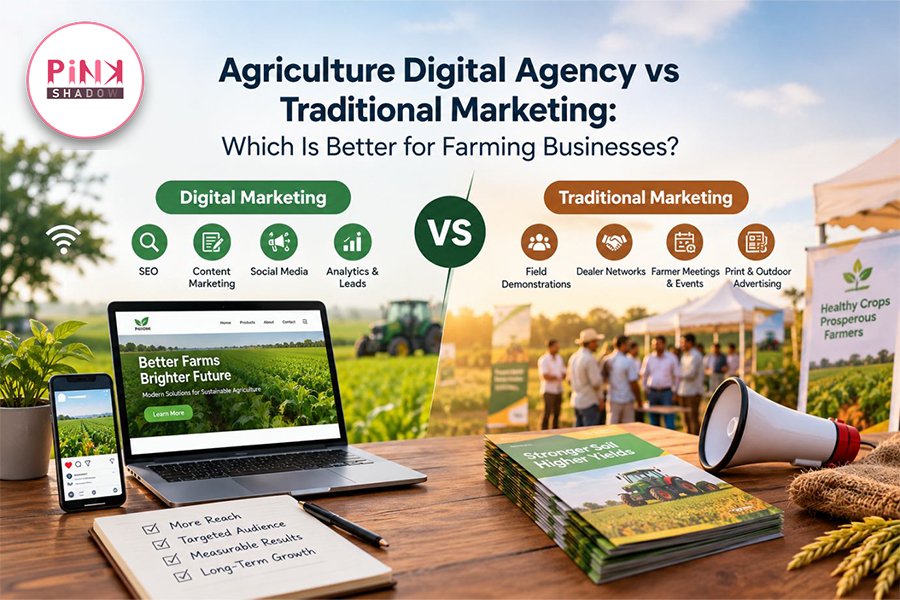
Well-planned agriculture social media campaigns can support agricultural brands by sharing educational content, demonstrating product features, answering common questions, and helping customers connect with authorised sellers.
Businesses working in rural markets should consider:
- Creating content in familiar regional languages.
- Using clear visuals and practical demonstrations.
- Sharing seasonal and location-relevant information.
- Choosing platforms based on actual audience behaviour.
- Providing accessible contact and enquiry options.
- Ensuring product claims are accurate and responsible.
Social media should support genuine communication rather than replace personal relationships, local distribution networks, or on-ground marketing where these remain important.
9. Makes Social Media Advertising More Targeted
Organic content can build a consistent presence, but businesses may also need paid promotion to reach new customers at scale.
Social media advertising allows eligible businesses to promote posts, generate leads, increase website visits, and introduce products to selected audiences. Campaign settings can include geographic areas, interests, demographics, and other available targeting options.
For example, a restaurant can promote a weekend offer to nearby audiences, while a local training institute can advertise its courses to prospective students in relevant areas.
A successful advertising campaign should include:
- A clear objective: Decide whether the goal is awareness, enquiries, website visits, or sales.
- Relevant audience targeting: Select areas and audiences that match the business.
- Engaging creatives: Use clear images, videos, and benefit-focused messages.
- A useful landing experience: Make it easy to call, enquire, visit, or purchase.
Performance tracking: Measure cost per lead, conversion rate, and return on advertising spend where possible.
Businesses should test different creatives and audience segments rather than assuming that one campaign will work equally well for every location.
10. Helps Businesses Stay Competitive in Local Markets
Customers have many choices when searching for nearby products and services. A business with an active and informative social media presence can make it easier for potential customers to understand its offerings.
Regular updates can highlight new products, service improvements, seasonal offers, customer feedback, and company activities.
Businesses can also observe competitors' public content to identify common customer questions, content gaps, and opportunities to explain their own services more clearly.
The aim should not be to copy competitors. Instead, businesses should develop a distinctive brand identity, provide useful information, and demonstrate what makes their products or services relevant to local customers.
A consistent and customer-focused social media strategy can help smaller businesses compete more effectively while strengthening relationships with their communities.
How to Build an Effective Local Social Media Marketing Strategy
Businesses can improve their results by following a structured approach instead of publishing content without a clear plan.
Step 1: Identify Your Target Customers
Understand who your customers are, where they live, what they need, and which platforms they use. A business serving college students may need a different approach from a supplier serving farmers or local retailers.
Step 2: Choose the Right Platforms
Select platforms based on your audience and objectives. Instagram may suit visual products, Facebook can support community-focused communication, YouTube can help explain complex products, and WhatsApp can make direct customer conversations easier.
Step 3: Create a Content Calendar
Plan a mix of educational posts, product demonstrations, customer stories, short videos, FAQs, and promotional updates. A calendar helps maintain consistency and reduces last-minute content creation.
Step 4: Optimise Your Social Profiles
Keep your business description, contact details, branding, website links, and service information accurate. Relevant social media optimization in India can include these activities as part of a broader content and visibility strategy.
Step 5: Engage With Your Audience
Respond to enquiries, answer questions, and use feedback to improve your communication. Customers should be able to understand your services and contact your business without unnecessary effort.
Step 6: Track Results and Improve
Review reach, engagement, profile visits, enquiries, qualified leads, conversions, and campaign costs. Use these findings to improve content, audience targeting, and advertising decisions.
Why Choose Pink Shadow Media for Social Media Marketing?
Pink Shadow Media helps businesses strengthen their digital presence through marketing strategies designed around their objectives, audience, and market requirements.
From social media content planning and profile optimisation to campaign management and digital advertising, a structured approach can help businesses communicate more effectively with potential customers.
Businesses that require support from a social media optimization agency should look for a partner that understands content quality, audience research, platform-specific strategies, and performance measurement.
Pink Shadow Media also recognises the importance of rural and agricultural markets, where local context, relevant communication, and audience understanding can play an important role in campaign planning.
Whether a business wants to increase brand awareness, attract local enquiries, promote products, or develop a more consistent online presence, the right social media strategy should focus on measurable business goals rather than vanity metrics alone.
Conclusion
Social media marketing helps businesses in India connect with local customers, improve brand awareness, generate enquiries, and build stronger customer relationships. By combining useful content, short videos, social media optimisation, targeted advertising, and regular engagement, businesses can create a more effective online presence.
The most suitable strategy depends on the target audience, business type, budget, and location. Local retailers, service providers, educational institutions, rural businesses, and agricultural brands can all use social media in different ways to communicate with their customers.
Pink Shadow Media supports businesses in developing digital marketing strategies that align with their audience and growth objectives. With consistent planning and performance measurement, social media can become a valuable part of a business's long-term local marketing strategy.
FAQs
1. How does social media marketing help local businesses in India?
It helps local businesses reach relevant audiences, promote products and services, answer customer questions, generate enquiries, and build brand awareness within their service areas.
2. Which social media platform is best for attracting local customers?
The best platform depends on the audience and business type. Facebook, Instagram, YouTube, and WhatsApp can all be useful when selected according to customer behaviour and campaign objectives.
3. What is the difference between social media marketing and social media optimization?
Social media marketing covers broader promotional activities, including organic content, advertising, and audience engagement. Social media optimization focuses on improving profiles, content discoverability, presentation, and engagement.
4. How can small businesses use social media with a limited budget?
Small businesses can start with regular organic posts, short videos, customer stories, useful FAQs, and local community content. Paid advertising can be introduced gradually when the budget and objectives allow.
5. How does social media marketing generate local leads?
Businesses can use enquiry-focused content, click-to-WhatsApp ads, lead forms, direct messages, and website links to encourage interested customers to make contact.
6. Why are short videos useful for local businesses?
Short videos can demonstrate products, explain services, introduce staff, showcase customer experiences, and communicate useful information in an engaging format.
7. What are social media optimization services in India?
These services commonly include profile optimisation, content planning, keyword research, branding consistency, engagement improvement, and performance reporting for social media accounts.
8. Can social media marketing help rural and agricultural businesses?
Yes. Rural retailers, agricultural suppliers, and farming businesses can use social media to share product information, educational content, demonstrations, seasonal updates, and customer support resources.
9. How often should a business post on social media?
Posting frequency depends on the platform, available resources, and audience expectations. A sustainable schedule with useful, consistent content is generally more effective than posting frequently without a clear purpose.
10. How can a business measure social media marketing success?
Businesses can measure reach, engagement, profile visits, qualified enquiries, conversions, cost per lead, and return on advertising spend. The most important metrics depend on the campaign's business objectives.

Let’s Elevate Your Digital Presence
You have a powerful story; We provide the strategy, creativity, and technology to handle all your marketing needs under one roof. Ready to see results?

