

Address
18, Bahir Sarbamangala Road, Punjabi Para, Subhas Pally, East Burdwan, West Bengal, India - 713101
Get In Touch
9332416765
Mail Us
info@pinkshadowmedia.com
Recent Blogs
October 31, 2026
October 28, 2026
 Change Language

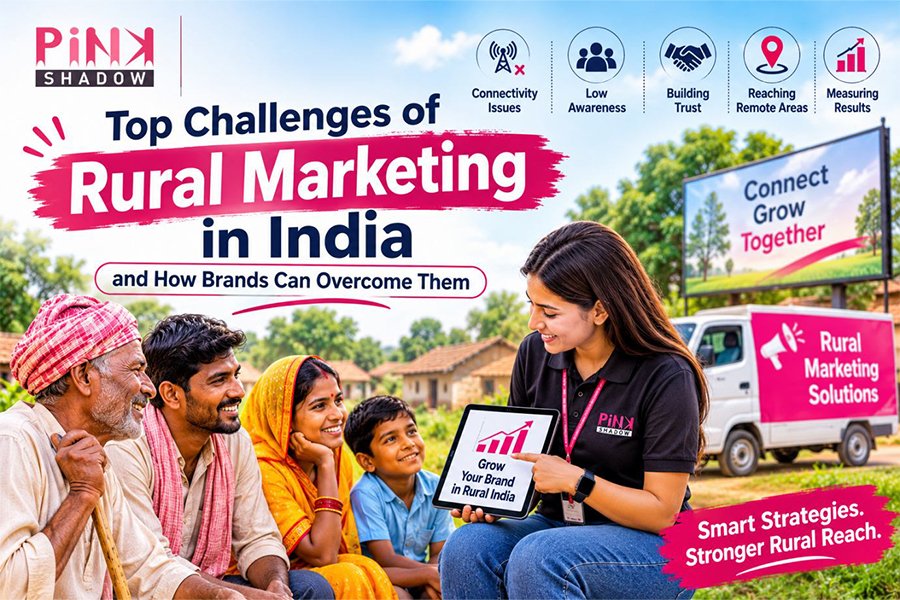
Top Challenges of Rural Marketing in India and How Brands Can Overcome Them

India's rural market offers significant opportunities for businesses looking to expand their customer base and connect with new audiences. From agriculture and FMCG to education, healthcare and consumer products, rural consumers play an important role in the country's growing economy. However, reaching these audiences requires more than simply running advertisements or promoting products.
Rural markets have different consumer behaviours, cultural preferences, purchasing habits and communication needs. A marketing campaign that performs well in a major city may not deliver the same results in a village or small town. Factors such as limited digital access, language barriers, infrastructure gaps and a lack of brand awareness can make rural campaigns more challenging.
This is where a professional Rural Marketing Agency in India can help businesses understand local audiences, select suitable promotional channels and develop marketing strategies that connect with people in meaningful ways.
In this blog, we will explore the major challenges of rural marketing in India and practical ways brands can overcome them to build long-term market presence.
Understanding Rural Marketing
Rural marketing refers to the process of promoting products, services and brands among consumers living in villages and rural areas. It involves understanding local needs, purchasing power, cultural values and communication preferences.
Unlike urban marketing, rural marketing often requires a combination of traditional and digital promotional activities. Local events, wall paintings, mobile van campaigns, regional video content, community engagement and social media can all contribute to a successful campaign.
For businesses, rural marketing is not just about reaching more people. It is about creating awareness, developing trust and making products accessible to the right customers.
10 Major Challenges of Rural Marketing in India and How Brands Can Overcome Them
1. Limited Digital Infrastructure and Internet Connectivity
One of the biggest challenges of rural marketing in India is the difference in digital infrastructure between urban and rural areas. Although internet usage is expanding, some rural locations still experience slow network connections, inconsistent internet access and limited digital resources.
This can affect online advertising, video campaigns, website engagement and social media communication. Brands that depend entirely on digital platforms may struggle to reach consumers in areas with poor connectivity.
How brands can overcome this challenge:
- Use a combination of digital and traditional marketing channels.
- Create lightweight websites and mobile-friendly landing pages.
- Promote products through local events, banners and mobile van advertising.
- Use short videos and regional content that consume less data.
- Build awareness through local distributors and retail networks.
A balanced promotional strategy helps businesses maintain visibility even in locations where digital access is limited.
2. Language and Cultural Differences
India has hundreds of regional languages, dialects and cultural traditions. Rural consumers often feel more comfortable communicating in their native language rather than English or Hindi.
A campaign that ignores local language and cultural preferences may fail to create an emotional connection with its audience. Even a well-designed advertisement can become ineffective if its message is difficult to understand.
How brands can overcome this challenge:
- Develop advertisements in regional languages.
- Use familiar local expressions and relatable examples.
- Work with regional influencers and local content creators.
- Understand festivals, traditions and community preferences.
- Test marketing messages with local audiences before launching large campaigns.
Brands should focus on communication that feels familiar and trustworthy rather than simply translating existing advertisements.
3. Building Consumer Trust and Brand Awareness
Trust plays an important role in rural purchasing decisions. Consumers may prefer familiar products, recommendations from people they know and brands with an established local presence.
New companies entering rural markets may find it difficult to convince customers to try unfamiliar products. This is particularly important in sectors such as agriculture, healthcare, FMCG and consumer goods.
How brands can overcome this challenge:
- Organise product demonstrations and sampling activities.
- Participate in local fairs, exhibitions and community events.
- Build relationships with retailers and local distributors.
- Share customer experiences and genuine testimonials.
- Maintain consistent product quality and customer support.
Instead of focusing only on immediate sales, businesses should invest in building relationships with rural consumers.
4. Difficulties in Reaching Remote Locations
Geographical distance and transportation challenges can make rural marketing campaigns difficult to execute. Some villages have limited road connectivity, fewer retail outlets and longer distances between consumer groups.
These factors can increase the cost of promotional activities and make it difficult for brands to maintain consistent visibility.
How brands can overcome this challenge:
- Identify high-potential villages and market clusters.
- Develop partnerships with local retailers and distributors.
- Use mobile van advertising to reach remote communities.
- Plan promotional activities around local markets and events.
- Coordinate field marketing teams for better campaign coverage.
A location-based approach allows businesses to use their marketing budgets more efficiently and reach the right audiences.
5. Limited Awareness of New Products and Services
Many rural consumers may not be familiar with newly launched products, digital services or modern business solutions. Simply displaying an advertisement does not always explain how a product works or why someone should purchase it.
This is particularly relevant for agricultural products, financial services, educational programmes and technology-based solutions.
How brands can overcome this challenge:
- Conduct live product demonstrations.
- Create simple educational videos in regional languages.
- Use local events to explain product benefits.
- Distribute easy-to-understand product information.
- Train retailers and field representatives to answer customer questions.
Educational marketing helps consumers understand a product before making a purchasing decision.
6. Choosing the Right Advertising Channels
Not every marketing channel works equally well in rural areas. While social media and online advertising are useful for some audiences, traditional promotional methods can still play an important role in reaching people in locations with limited internet access.
Choosing the wrong channel can lead to unnecessary spending and poor campaign performance.
How brands can overcome this challenge:
Businesses should select advertising channels according to their target audience, product category, location and campaign objectives.
Some effective rural promotional channels include:
- Wall painting and wall branding.
- Mobile van advertising.
- Local fairs and promotional events.
- Newspaper and regional media advertising.
- Outdoor hoardings and banners.
- Facebook, YouTube and WhatsApp campaigns.
- Regional influencer marketing.
An experienced rural advertising agency can help businesses identify suitable promotional channels and coordinate campaigns across different locations.
7. Measuring Campaign Performance and ROI
Measuring the success of rural marketing campaigns can be more complicated than tracking online advertisements. Traditional promotional activities do not always provide immediate performance data.
For example, a wall painting campaign may generate brand visibility, but measuring how many customers purchased the product because of that advertisement can be difficult.
Without proper tracking, businesses may struggle to understand which activities are delivering results.
How brands can overcome this challenge:
- Set clear campaign objectives before starting.
- Track customer enquiries and product sales.
- Use unique QR codes and promotional offers where appropriate.
- Collect feedback from retailers and field representatives.
- Monitor campaign locations and promotional coverage.
- Compare campaign costs with measurable business outcomes.
Businesses should evaluate both short-term results and long-term improvements in brand awareness.
8. Increasing Competition in Rural Markets
Rural markets are attracting attention from businesses across different industries. As more companies enter these markets, competition for consumer attention and brand preference is also increasing.
Local businesses may already have established customer relationships, making it difficult for new brands to gain visibility.
How brands can overcome this challenge:
- Understand competitors and existing market preferences.
- Highlight clear product benefits and differentiators.
- Develop location-specific promotional campaigns.
- Build relationships with local retailers.
- Offer introductory promotions and product trials.
- Maintain consistent communication with customers.
A strong rural marketing strategy should focus on customer needs instead of relying only on discounts and promotional offers.
9. Limited Understanding of Rural Consumer Behaviour
Rural consumers are not one uniform audience. Their preferences can vary depending on location, income, occupation, education, lifestyle and access to products.
For example, the purchasing priorities of farmers may differ from those of rural students, small business owners or household consumers.
Using the same marketing message for every rural audience can reduce campaign effectiveness.
How brands can overcome this challenge:
- Conduct local market research before launching campaigns.
- Segment audiences based on their needs and interests.
- Understand regional purchasing patterns.
- Collect feedback through surveys and field interactions.
- Develop different promotional messages for different customer groups.
Market research helps brands make informed decisions rather than depending on assumptions about rural consumers.
10. Managing Consistent Marketing Activities Across Multiple Locations
Running a campaign in one village is different from managing promotional activities across multiple districts or states. Businesses may face challenges involving coordination, local permissions, creative execution, campaign monitoring and quality control.
Without proper management, brand communication can become inconsistent across different locations.
How brands can overcome this challenge:
- Develop a structured campaign execution plan.
- Work with experienced local marketing teams.
- Maintain consistent brand guidelines.
- Monitor field activities through regular reporting.
- Coordinate vendors, distributors and promotional partners.
- Review campaign performance at regular intervals.
Working with an experienced Rural Marketing Agency in India can help brands manage multiple promotional activities while maintaining consistent communication and execution standards.
The Role of Digital Marketing in Modern Rural Marketing
Traditional marketing remains valuable, but digital platforms are creating additional opportunities for brands to connect with rural consumers.
Smartphones, affordable internet access and regional-language content are changing how people discover products, learn about services and interact with businesses.
Digital marketing can support rural brand promotion in several ways.
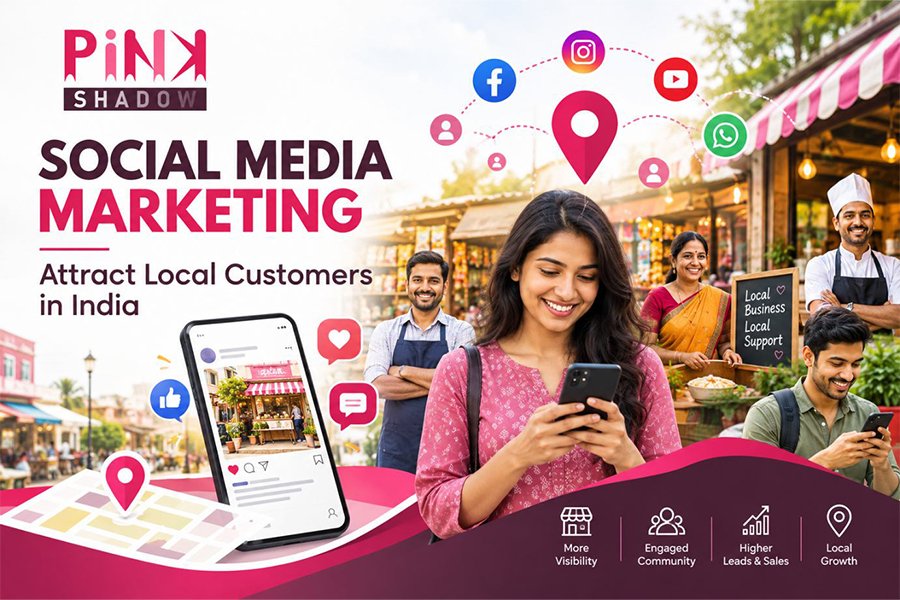
Rural Social Media Marketing:
Social media platforms help brands communicate with audiences through videos, images, educational posts and interactive content.
Rural social media marketing can be particularly useful when campaigns focus on relevant local interests, regional languages and familiar experiences.
Brands can use:
- Facebook for community engagement and local promotions.
- YouTube for product demonstrations and educational videos.
- Instagram for visual storytelling and brand awareness.
- WhatsApp for customer communication and product updates.
The right platform should depend on the audience's actual usage habits rather than assumptions.
Regional Video Marketing:
Video content can explain product features more clearly than text-based advertisements. Brands can create short regional-language videos showing product demonstrations, customer experiences and practical benefits.
For example, an agricultural company can produce videos explaining how to use a farming product, while an education brand can share information about available courses and career opportunities.
Local Influencer Marketing:
Regional influencers, local creators and trusted community voices can help brands communicate with specific audiences.
However, brands should select influencers based on audience relevance, genuine engagement and local credibility instead of follower count alone.
Search Engine Optimisation for Rural Audiences:
SEO can help businesses reach people searching for products and services online. Location-based landing pages, useful content, clear service information and mobile-friendly websites can improve search visibility.
Businesses should focus on answering genuine customer questions rather than creating multiple pages with repetitive keywords.
How to Choose the Right Rural Marketing Agency in India:
Selecting the right marketing partner is an important decision for businesses planning to expand into rural markets.
A professional agency should understand both traditional promotional activities and modern digital marketing methods. It should also have the ability to develop strategies according to different locations and audience requirements.
Here are some important factors to consider:
- Rural market experience: Check whether the agency understands rural consumer behaviour and regional marketing requirements.
- Range of services: Look for expertise in outdoor advertising, mobile van campaigns, video production, events and digital promotion.
- Local market understanding: The agency should understand regional languages, cultural preferences and local market conditions.
- Campaign execution: Ask about its planning, coordination, monitoring and reporting processes.
- Previous work: Review relevant campaigns, case studies and client experience.
- Performance measurement: Choose an agency that can explain how it evaluates campaign results.
When comparing different rural marketing agencies, businesses should prioritise relevant experience, execution quality and strategic planning rather than selecting an agency based only on price.
Pink Shadow Media focuses on rural digital marketing, video production, agriculture marketing and brand promotion. Combining local market understanding with suitable digital and traditional communication methods can help businesses develop stronger connections with rural audiences.
Why Businesses Need a Professional Rural Marketing Agency
Expanding into rural markets requires proper planning, audience research and consistent campaign execution. Businesses need marketing partners who understand the differences between rural and urban audiences.
A professional agency can help brands:
- Identify potential rural markets.
- Develop location-specific marketing strategies.
- Plan outdoor and on-ground promotional campaigns.
- Create regional video and digital content.
- Build brand awareness through local engagement.
- Coordinate promotional activities across multiple locations.
Choosing the best rural marketing agency depends on your business objectives, target locations, marketing budget and required services.
For brands planning long-term expansion, an integrated approach that combines traditional advertising with digital marketing can create more sustainable results.
How Pink Shadow Media Helps Businesses Connect With Rural Audiences
Rural marketing requires a clear understanding of people, places and local communication preferences. Pink Shadow Media helps businesses explore different promotional opportunities through rural-focused marketing solutions.
Our services include:
Rural Digital Marketing: Developing digital campaigns to improve brand visibility and audience engagement.
Agriculture Marketing: Helping agriculture-related businesses communicate their products and services to relevant audiences.
Video Production: Creating promotional and educational videos for different marketing requirements.
Outdoor Advertising: Supporting brand promotion through hoardings, wall branding and mobile van campaigns.
Social Media Marketing: Building brand awareness through suitable social media platforms and engaging content.
By combining traditional promotional methods with digital communication, Pink Shadow Media aims to help businesses build meaningful connections with rural consumers.
Conclusion
Rural marketing in India offers considerable opportunities, but reaching rural consumers requires more than traditional advertising. Businesses must understand local languages, cultural preferences, purchasing behaviour, digital accessibility and regional market conditions.
From building consumer trust to managing campaign execution across multiple locations, every challenge requires a practical and audience-focused solution.
Working with an experienced Rural Marketing Agency in India can help businesses develop effective promotional strategies, improve brand awareness and establish a stronger presence in rural markets.
For long-term success, brands should focus on consistent communication, meaningful customer relationships and marketing strategies that adapt to changing rural consumer needs.
FAQs
1. What is rural marketing in India?
Rural marketing refers to promoting products and services among consumers living in villages and rural areas. It includes traditional advertising, digital marketing, local events, product demonstrations and other promotional activities.
2. What are the major challenges of rural marketing in India?
The major challenges include limited digital infrastructure, language barriers, geographical difficulties, low product awareness, consumer trust, distribution problems and difficulties in measuring campaign performance.
3. Why do businesses need a rural marketing agency?
Businesses need a rural marketing agency to understand local audiences, plan promotional activities, select suitable advertising channels and manage campaigns across different rural locations.
4. What services does a rural marketing agency provide?
A rural marketing agency may provide mobile van advertising, wall painting, outdoor advertising, rural events, video production, regional promotions, digital marketing and brand awareness campaigns.
5. How can brands build trust among rural consumers?
Brands can build trust through product demonstrations, local engagement, regional-language communication, consistent product quality, customer feedback and partnerships with trusted local retailers.
6. What is the role of digital marketing in rural areas?
Digital marketing helps businesses reach rural audiences through social media, search engines, online videos and messaging platforms. It also allows brands to share product information and communicate directly with potential customers.
7. Is social media marketing effective for rural businesses?
Yes. Rural social media marketing can help businesses improve brand awareness, share educational content and engage potential customers. The effectiveness depends on platform usage, content relevance and audience targeting.
8. Which advertising methods work best in rural India?
Mobile van advertising, wall paintings, local events, regional newspapers, outdoor hoardings, product demonstrations and digital campaigns can all be effective. The best combination depends on the target location and audience.
9. How can businesses measure rural marketing campaign performance?
Businesses can measure performance through customer enquiries, product sales, retailer feedback, campaign coverage, promotional engagement and location-based reporting. Both online and offline campaign results should be considered.
10. How do I choose the best rural marketing agency in India?
Look for an agency with relevant rural market experience, regional knowledge, a range of promotional services, strong execution capabilities and transparent campaign reporting. Review its previous work before making a decision.

Let’s Elevate Your Digital Presence
You have a powerful story; We provide the strategy, creativity, and technology to handle all your marketing needs under one roof. Ready to see results?

